Document control with versions, approval and read confirmation
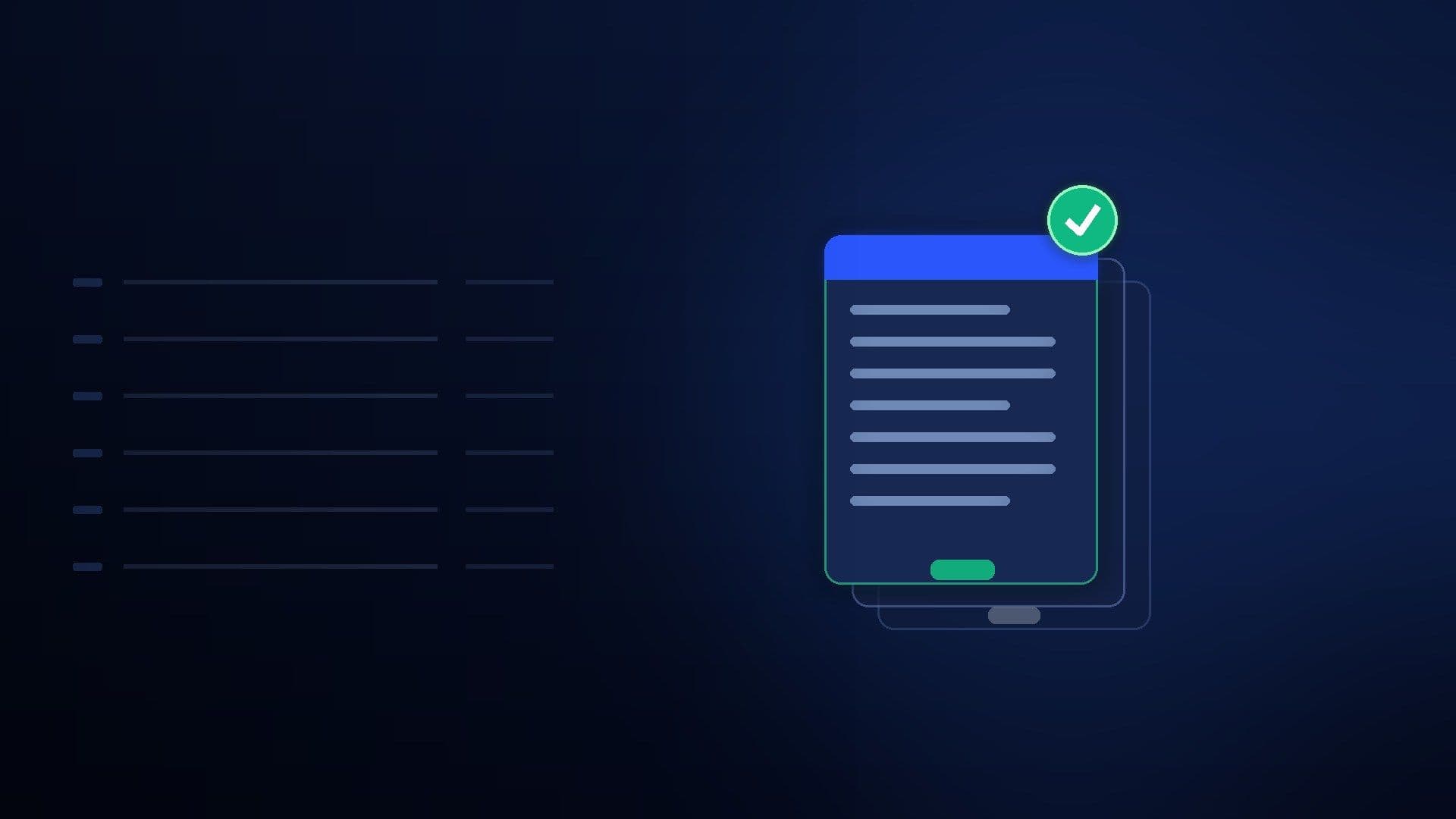
Keep the master list with standardized codes, controlled versions and an approval workflow. When you publish a new revision, the previous one becomes obsolete and its controlled copies are recalled. Distribution and read confirmation are recorded with date and name.
Illustrative system screen. Demo data that does not represent client results.
What you'll find in this area
Standardized code.
The system generates each document's code by type, department and sequence, such as SOP-LAB-001.
Defined life cycle.
Draft, review, approval and publication. Publishing the new revision makes the previous one obsolete, with the history preserved.
Recorded approval.
You define who reviews and who approves. Every approval and rejection is recorded with date and owner.
Read confirmation.
Distribute the document to whoever needs to read it and track each person's status: pending, confirmed or overdue.
Periodic review.
Each document has a next review date. The dashboard shows documents due for review in 30, 60 and 90 days.
Controlled copies.
Track distributed copies. When a revision is withdrawn, its controlled copies are recalled.
Online editing.
Document content can be edited inside the system, without downloading and re-uploading files.
Files you already have.
PDF procedures can be attached to revisions, with code, version and approval workflow.
The document life cycle
A controlled document means knowing what stage it is in, who needs to read it and when it is due for review.
Document states.
Draft, in review, in approval, in force and obsolete. Every state change is recorded with owner and date.
Targeted distribution.
You choose who receives each document. Confirmation stays pending until the person confirms the reading.
Scheduled review.
The review frequency is set per document, and the dashboard shows what is due in the coming months.
Frequently asked questions
Can I bring in the procedures I already have as PDFs?
Yes. The files come in as a revision of the document, with code, version and approval workflow. Content and owners are still defined by the laboratory.
What happens to the previous version when I publish a new one?
The previous revision becomes obsolete and its controlled copies are recalled. The history remains available for reference.
Does read confirmation replace the training record?
No. It records that the person received and confirmed reading the document, with date and name. Competence and training criteria are defined by the laboratory.
Does the system warn me when a document needs review?
Yes. The dashboard shows documents due for review in 30, 60 and 90 days. Review intervals are defined by the laboratory.
Want to see the QMS with your laboratory's routine?
Free online demo, about 30 minutes long. Our team adapts the examples to your laboratory's routine.