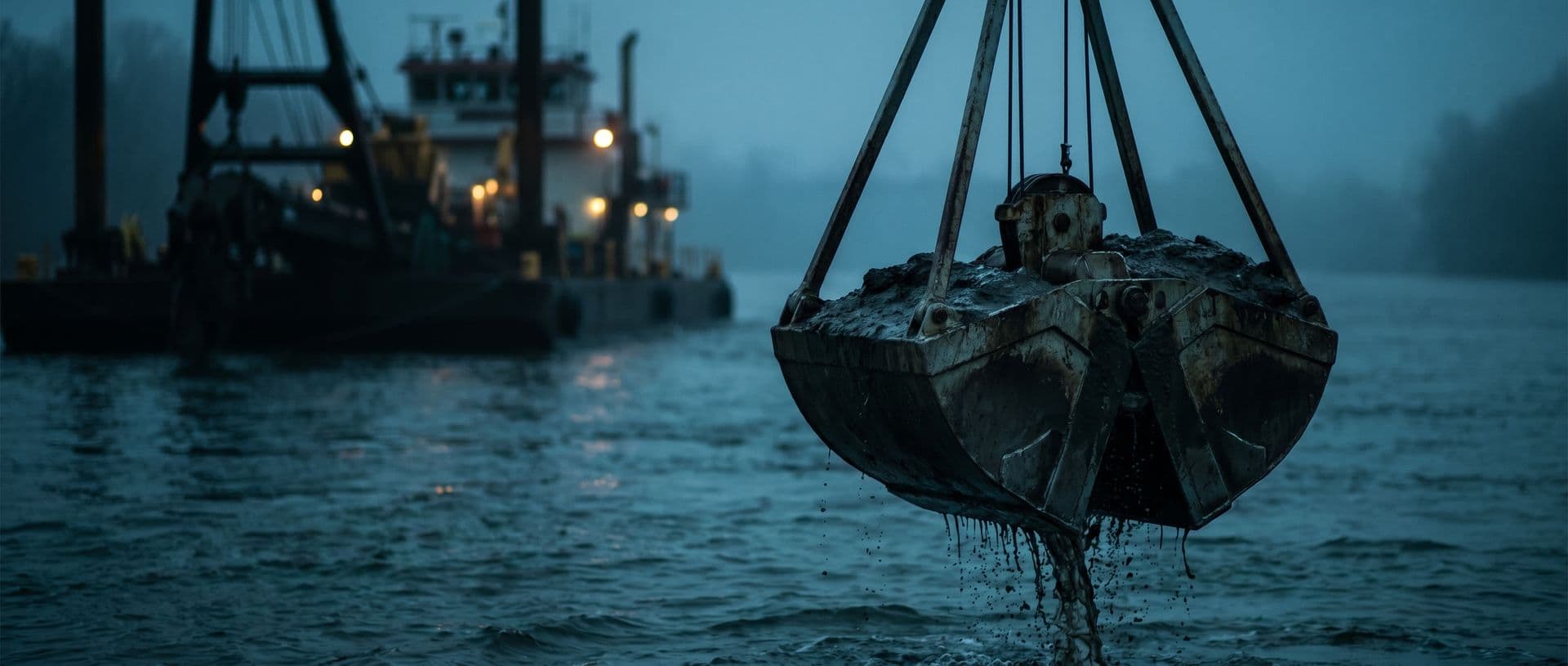
Dredging sediment classified by CONAMA 454 levels, with the traceability that licensing demands
Gerencialab evaluates your sediment against the Level 1 and Level 2 thresholds of CONAMA 454/2012 that you register, takes sampling into the water body even with no signal and ties traceability from proposal to report.
Who it is for
If your lab analyzes dredging sediment, you know it does not fit a generic system. It is a bottom matrix, collected in the water body, classified by level, with a traceability the agency will demand. Gerencialab is built for this niche, from the sampling point in the river or port to the signed report.
Your sediment comes back classified by level.
Each bottom sample arrives already compared against the Level 1 and Level 2 thresholds of CONAMA 454/2012 you registered. You see on the spot which level the result fell into, with no table-crossing by hand.
Port dredging with a closed chain of custody.
For the environmental licensing of the dredging, each container stays traced from the sampling point to the report, the way the agency requires when it asks for documentation.
Many analytes per sample, organized.
Metals, organochlorines and pesticides, PCBs, PAHs, grain size and nutrients enter the same sample without becoming a loose spreadsheet. Each parameter stays traced.
Sampling in the water body, with the right point and depth.
The sampling point in the river, bay or port is registered, with a dynamic form to note depth, bottom condition and whatever else the field requires.
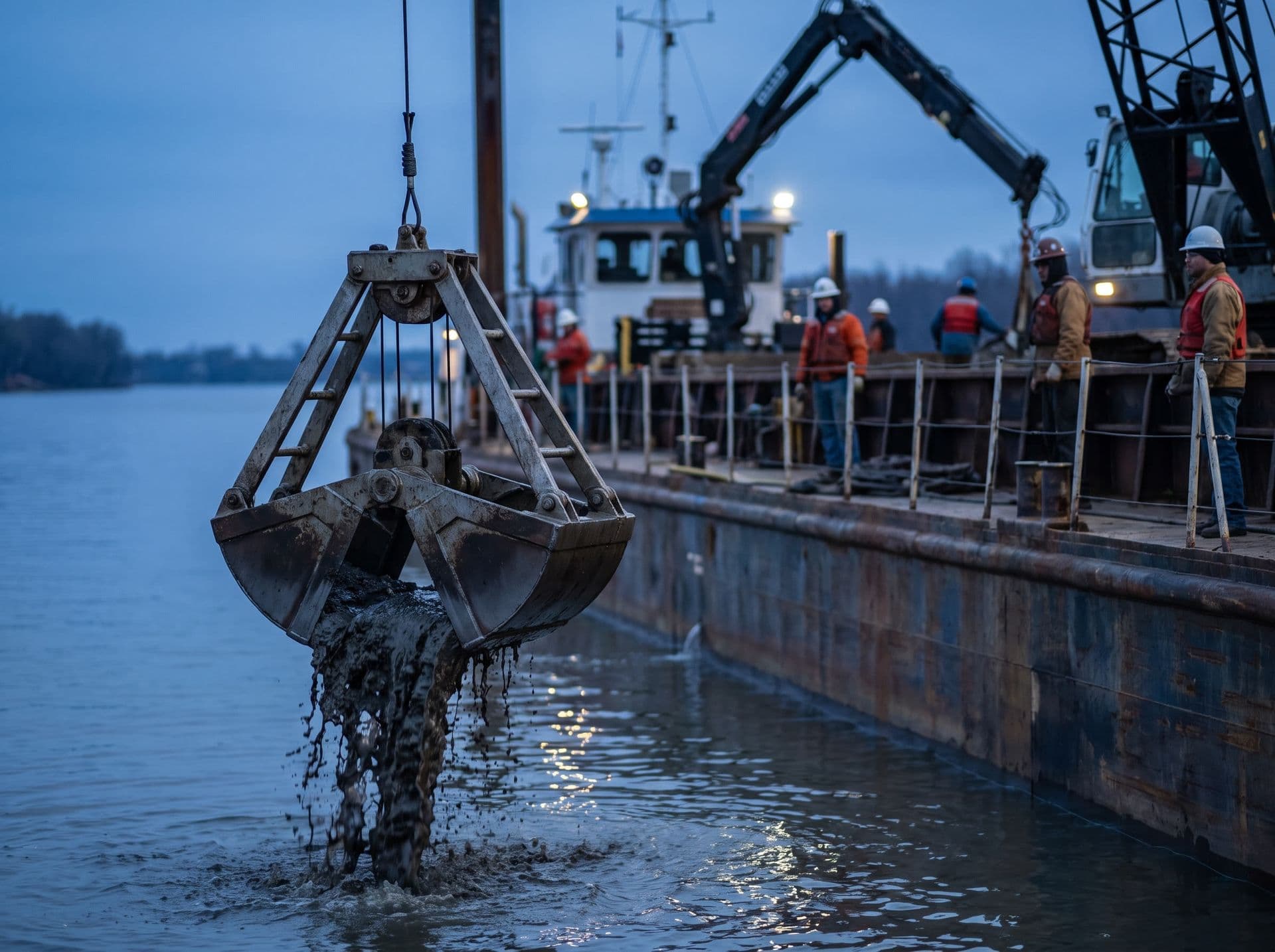
Sampling happens in the river or port, even with no signal, with a closed chain of custody.
The sampler heads out with a route and a registered point and records depth, bottom condition and photos in the offline app. Once back online, everything syncs with traceability from proposal to report.
- Offline app records point, depth and photos in the water body.
- Closed chain of custody from sampling point to report.
- Dynamic form notes bottom condition and whatever the field needs.
CONAMA 454 inside the system
Your analyst stops chasing a level in a PDF and keeping a side spreadsheet. You register CONAMA 454/2012 as a reference, with Levels 1 and 2 and their thresholds, and Gerencialab compares every sediment result at the moment of entry. The screen shows which level the analyte fell into. The final call stays with your technical manager.
Levels 1 and 2 registered by the lab as a reference.
CONAMA 454/2012 sets the general guidelines and reference procedures for managing material to be dredged in waters under national jurisdiction. Register Levels 1 and 2 and their thresholds once, and every sediment sample comes back evaluated against them.
Each analyte compared against the level threshold.
Metals, organochlorines, PCBs and PAHs have a reference value by level. The result is compared against the registered threshold and you see on the spot whether it fell below Level 1, between the levels or above Level 2.
Aquatic sediment treated as its own matrix.
Bottom sediment is neither water nor effluent. In the system it is a matrix with its own methods, its grain size and its classification rule, with no crossover with the lab's other matrices.
The classification comes out structured for licensing.
Data comes out organized and exportable (spreadsheet or PDF), ready to compose the dredging licensing documentation. Your team builds the agency report from there, with no retyping of results.
The pains of testing dredging sediment
We know the routine of anyone analyzing dredging sediment. The system was designed around the points that hurt most in that routine.
A niche with its own rule, no generic system that gets it.
Classification by level, a bottom matrix and sampling in the water body do not fit a general-purpose LIMS. Here the CONAMA 454 rule and the sediment matrix are already treated as part of the system.
The licensing traceability cannot have a gap.
The agency demands a rigorous chain of custody. Each sample stays traced from proposal to report, recording who did what and when, so you reconstruct the history without digging through folders.
Many analytes per sample without the chaos.
A single sediment sample can carry dozens of parameters across metals, organochlorines, PCBs, PAHs, grain size and nutrients. Everything enters traced in the same sample, with no loose spreadsheet.
No-signal sampling in the river or port no longer stalls your field.
A dredging point does not always have internet. The sampler records point, depth, photos and data on the phone offline and syncs when back online. Nothing is lost along the way.
How Gerencialab solves it
From the water-body field sheet to the report, with no rework in between.
The result tells you which CONAMA 454 level it fell into.
On entry, each analyte is compared against the Level 1 and Level 2 thresholds you registered and the system flags right away where it fell. Less manual checking, fewer table-reading errors.
The chain of custody stays closed from proposal to report.
Each sample carries full traceability, with a barcode or QR label and a record of who did what and when. When licensing asks for the documentation, you reconstruct it all.
Sampling happens even with no internet at the point.
The app works offline, records the point in the water body, depth, photos and field data, and syncs later. Planned routes, registered points and route notifications, including by WhatsApp for the sampler.
Your report comes out with the lab's identity, signed.
Configurable template with your header and footer, variables filled on their own, signature on the document and PDF generated on the spot. Each template version is controlled.
Every depth at the point is recorded properly.
Register the points in the water body and use dynamic forms to note depth, bottom condition and field observations, with a full history of everything entered.
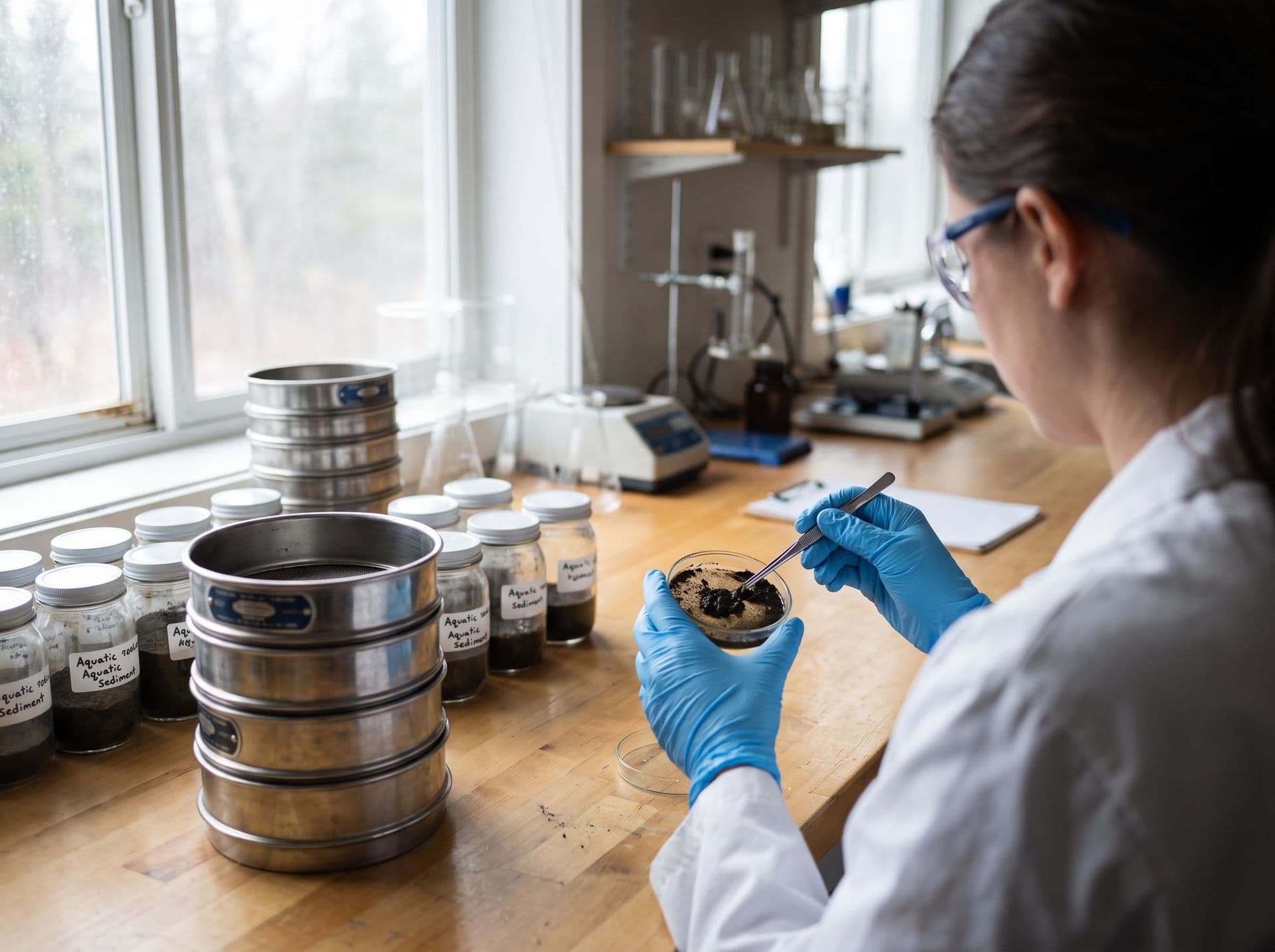
The sediment comes back evaluated against the CONAMA 454 Levels 1 and 2 the lab registers.
Each analyte is compared against the reference thresholds your lab maintains, and the system structures and exports the data for licensing. The final classification and the technical manager's signature stay with your team, under ISO/IEC 17025.
- Levels 1 and 2 registered by the lab as a reference.
- Data structured and exportable for licensing.
- Technical manager signs the report under ISO/IEC 17025.
Modules that matter most for sediment and dredging
Everything in one system, no hidden add-ons.
Sampling and Logistics.
Your sampler heads out with route and schedule in hand and records point, depth and photos in the offline app with GPS, even in a water body with no signal.
Samples.
Each sediment container enters with a barcode or QR label and stays traced from intake to disposal, with a closed chain of custody. Nothing is lost along the way.
Laboratory and Analyses.
Methods and parameters for the sediment matrix ready, the result reviewed before it leaves, and import from instruments and spreadsheets so no reading is retyped.
Quality Control.
QC aligned with ISO/IEC 17025, with reference materials and control evaluation, so you reach the audit with everything in place.
Reports and Templates.
Your report comes out in a configurable template, signed and as a PDF, with version control. Every document leaves standardized.
Finance.
Proposal, campaign contract and billing tied to the same traceability, so you close the commercial side without leaving the system.
Frequently asked questions
Does Gerencialab come with CONAMA 454 and Levels 1 and 2 preloaded?
The system has a regulations registry where you record Levels 1 and 2 and their thresholds and use them for automatic evaluation of sediment results. The limit database is maintained by your lab, which is responsible for accreditation. During onboarding we help you build that registry.
Does the system do the classification and report to the licensing agency?
Gerencialab compares each result against the Levels 1 and 2 you register and structures and exports the data (spreadsheet or PDF). The final classification and the report to the environmental agency are done by your team, from what the system organizes.
Can I analyze metals, organochlorines, PCBs, PAHs and grain size in the same sample?
Yes. The aquatic sediment matrix carries all those analytes in the same sample, each one traced and compared against the registered level threshold. Grain size and nutrients come in together, with no loose spreadsheet.
How does sampling in the water body work with no internet signal?
The sampling app works offline. The sampler records the point in the river or port, depth, photos and field data, and the system syncs everything when the phone is back online. Nothing is lost along the way.
How does the system ensure the chain of custody that licensing demands?
Each sample stays traced from proposal to report, with a barcode or QR label, a record of who did what and when, and an audit trail in the ALCOA+ standard. You reconstruct the history of any sample when the agency asks for the documentation.
Does it import instrument results?
Yes, through import of results from instruments and spreadsheets. It is not real-time serial interfacing, it is import of the file generated by the instrument or the analyst's spreadsheet.
See Gerencialab running with your sediment and dredging lab's routine.
See a free demo and watch the sediment sample come in classified by CONAMA 454 Levels 1 and 2, sampling happen offline in the water body and the report come out signed, with the chain of custody closed.