Nonconformities with cause analysis and effectiveness review
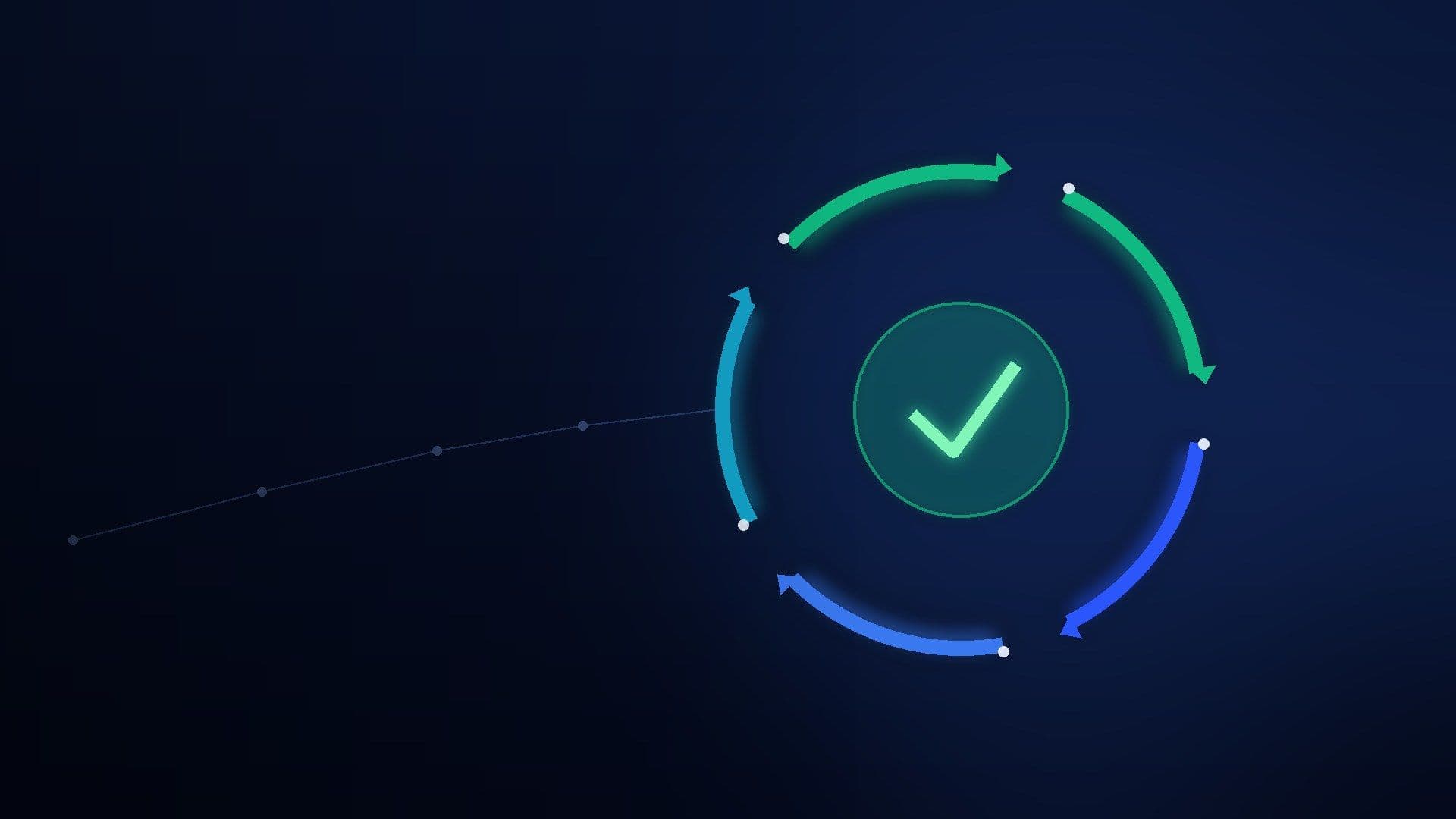
Log the occurrence, analyze the cause, set the action plan and check effectiveness before closing. The effectiveness review requires evidence. If the action did not work, the record can go back to the action plan.
Illustrative system screen. Demo data that does not represent client results.
What you'll find in this area
Defined stages.
Cause analysis, action plan, validation, implementation and effectiveness review, with priority (low, medium, high or urgent) and a deadline.
Cause analysis tools.
Ishikawa and the 5 Whys are built into the nonconformity record.
5W2H action plan.
What to do, why, how, where, who, when and how much it costs, with evidence of execution.
Effectiveness with evidence.
The effectiveness review requires evidence. The action is recorded as effective or ineffective, or the record goes back to the action plan.
Priority and deadline.
The queue shows each record's priority and deadline, so the team handles the most critical items first.
Different sources, same workflow.
Nonconformities can come from internal audits, the risk register, customer service complaints or manual entry.
A chain you can look up.
Occurrence, cause, action, evidence and effectiveness are linked in the same record.
Why the effectiveness review matters
Closing a nonconformity without checking effectiveness raises the chance that the problem comes back.
A step before closing.
The record only closes after the effectiveness review, with the decision of whoever assessed it.
Attached evidence.
Evidence of execution and effectiveness is attached to the record for later reference.
Visible recurrence.
The system helps identify nonconformities that come back for the same reason, so you can address the pattern.
Frequently asked questions
Does the system guide the cause analysis?
Yes. The workflow goes through cause analysis, action plan, validation, implementation and effectiveness. Ishikawa and the 5 Whys are in the record. For low-priority occurrences, a direct analysis is also accepted.
What happens if the corrective action doesn't work?
At the effectiveness review, the action can be recorded as ineffective or the record can go back to the action plan. The decision on effectiveness belongs to the laboratory.
Does a quality control failure open a nonconformity?
The action for each control rule is configured by the laboratory. One option is logging a quality control nonconformity linked to the run. Handling in the QMS follows the laboratory's procedures.
Do customer complaints go through this workflow?
Complaints are handled in customer service, with a ticket number and response-time tracking. When needed, the complaint opens a nonconformity, which follows the same cycle.
Want to see the QMS with your laboratory's routine?
Free online demo, about 30 minutes long. Our team adapts the examples to your laboratory's routine.